Sep 28, 2025 - Musings    No Comments


Below is a summary written by Brian Johnson, CEO of Heroic Benefit Corp, of Fred Roger’s book, “Many Ways to Say I Love You”.  See more info on Heroic at: https://bit.ly/4c0nDBS

Aug 26, 2025 - Musings    No Comments

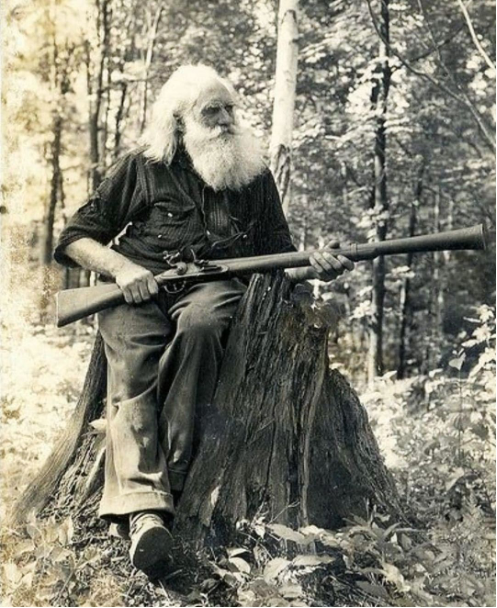
Old Hillbilly Wisdom

  • Your fences need to be horse-high, pig-tight and bull-strong.
  • Keep skunks, bankers, and politicians at a distance.
  • Life is simpler when you plow around the stump.
  • A bumble bee is considerably faster than a John Deere tractor.
  • Words that soak into your ears are whispered, not yelled.
  • The best sermons are lived, not preached.
  • If you don’t take the time to do it right, you’ll find the time to do it twice.
  • Don’t corner something that is meaner than you.
  • Don’t pick a fight with an old man. If he is too old to fight, he’ll just kill you.
  • It don’t take a very big person to carry a grudge.
  • You cannot unsay a cruel word.
  • Every path has a few puddles.
  • When you wallow with pigs, expect to get dirty.
  • Don’t be banging your shin on a stool that’s not in the way.
  • Borrowing trouble from the future doesn’t deplete the supply.
  • Most of the stuff people worry about ain’t never gonna happen anyway.
  • Don’t judge folks by their relatives.
  • Silence is sometimes the best answer.
  • Don‘t interfere with somethin’ that ain’t botherin’ you none.
  • Timing has a lot to do with the outcome of a rain dance.
  • If you find yourself in a hole, the first thing to do is stop diggin’.
  • Sometimes you get, and sometimes you get got.
  • The biggest troublemaker you’ll ever have to deal with watches you from the mirror every mornin’.
  • Always drink upstream from the herd.
  • Good judgment comes from experience, and most of that comes from bad judgment.
  • Lettin’ the cat outta the bag is a whole lot easier than puttin’ it back in.
  • If you get to thinkin’ you’re a person of some influence, try orderin’ somebody else’s dog around.
  • Live a good, honorable life. Then when you get older and think back, you’ll enjoy it a second time.
  • Live simply. Love generously. Care deeply. Speak kindly. Leave the rest to God.
  • Most times, it just gets down to common sense.

Jul 15, 2025 - Musings    No Comments

AmeriCorps Demobilization Consequences

The demobilization of all AmeriCorps teams — particularly those under AmeriCorps NCCC (National Civilian Community Corps), which are often deployed for disaster response — would have serious short- and long-term implications on the U.S. disaster response landscape. Here are some key effects to consider:


🔥 1. 

Reduced Surge Capacity During Disasters

AmeriCorps teams are often first responders during major disasters, especially for:

  • Debris removal
  • Shelter operations
  • Sandbagging
  • Damage assessmentsWithout these teams, local emergency managers may lack the surge manpower needed in the first 72 hours after a disaster.

🏚️ 2. 

Slower Recovery Timelines

AmeriCorps NCCC and other service programs often assist in:

  • Rebuilding homes
  • Volunteer coordination
  • Long-term recovery operationsWithout their support, recovery will likely:
  • Take longer
  • Cost more (due to need for private contractors)
  • Increase stress on local governments and nonprofits

🧓 3. 

Increased Vulnerability for Underserved Communities

AmeriCorps teams frequently serve vulnerable populations who might otherwise be overlooked:

  • Elderly residents
  • Low-income families
  • Rural or isolated communitiesThe absence of these teams could widen inequity in disaster response and recovery outcomes.

🤝 4. 

Strain on Partner Agencies

Agencies like FEMA, the American Red Cross, and local VOADs (Voluntary Organizations Active in Disaster) rely heavily on AmeriCorps for:

  • Logistics
  • Volunteer coordination
  • Community engagementLosing AmeriCorps means these partners must either:
  • Overwork their staff
  • Leave gaps in response
  • Divert funds to cover what AmeriCorps volunteers did for free

📉 5. 

Loss of a Trained Civic Workforce

AmeriCorps teams are trained in:

  • CPR/First aid
  • Incident Command System (ICS)
  • FEMA certificationsDemobilizing the program means losing a pipeline of future emergency managers and disaster volunteers.

🌎 6. 

Long-Term Impact on Community Resilience

AmeriCorps often engages in mitigation and preparedness work:

  • Educating residents
  • Strengthening infrastructure (like fire breaks or flood control)Without them, communities may face more severe impacts from future disasters.

Possible Mitigations (if demobilization is unavoidable):

  • Expand funding to other national service partners (like Team Rubicon or state-level Conservation Corps)
  • Establish local Civilian Climate Corps or community resilience hubs
  • Offer incentives for retired professionals or faith-based groups to help fill the service gap
Pages:«1234567...38»
Skip to toolbar