We invite you into the virtual classroom to look inside the Philosopher’s Note on The Golden Rules by Bob Bowman.
Subtitled Finding World-Class Excellence in Your Life and Work, this book delivers an extraordinary, science-backed method written by the legendary swim coach behind Michael Phelps—the most decorated Olympian in history.
Far beyond just training elite athletes, it reveals how to dream big, build a high-performance game plan, and turn daily practice into a symphony of excellence.
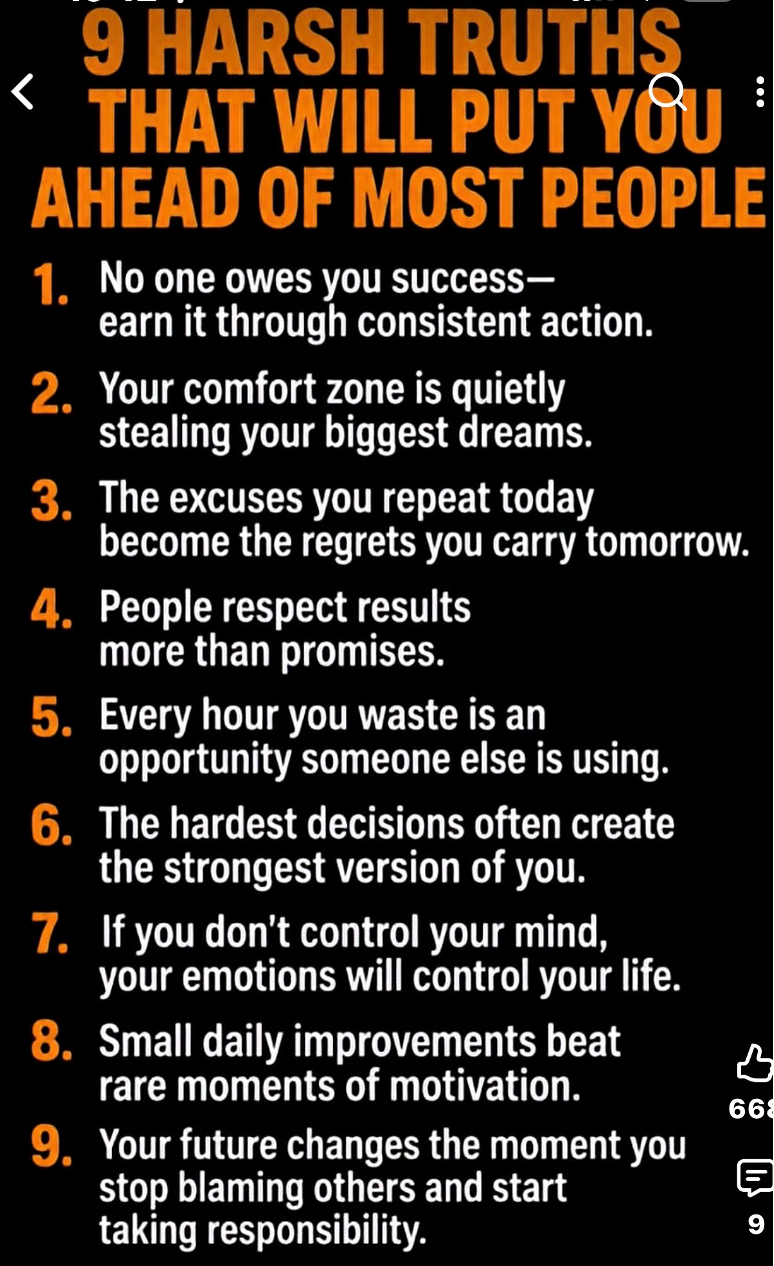
If you are tired of settling for average, making excuses, or coasting through your potential, this episode is for you.
If you are ready to quit holding back, step out of your comfort zone, and go all-in on pursuing true world-class mastery, this episode is your roadmap!Enjoy,Team Heroic
Below is a summary written by Brian Johnson, CEO of Heroic Benefit Corp, of Daniel Coyle’s book, The Talent Code , See more info on Heroic at: https://bit.ly/4c0nDBS
Today’s book:—a fascinating exploration of how world-class skill is developed, not gifted, through deliberate training and deep practice.
Here’s your 1-minute summary:
Skill grows like a muscle. Every time you practice with focus and struggle a little, you strengthen neural connections.
Deep practice builds greatness. It’s not about mindless repetition—it’s about pushing just beyond your comfort zone, over and over.
Ignition sparks motivation. Big dreams and emotional triggers create the fuel needed to sustain long-term practice.
Master coaches matter. Great teachers break skills down into small steps and guide intense, focused effort.
Myelin is the magic. Deep practice wraps nerve fibers with myelin—a biological insulation—that speeds up and locks in skill.
Greatness isn’t a mystery, it’s a process. What’s one skill you can deepen today with a little focused, deep practice?
Want more wisdom in less time? Check out the Philosopher’s Note in the app!
Leadership should be taught primarily through decisions, behavior, reflection, and experience, rather than memorization of leadership theories.
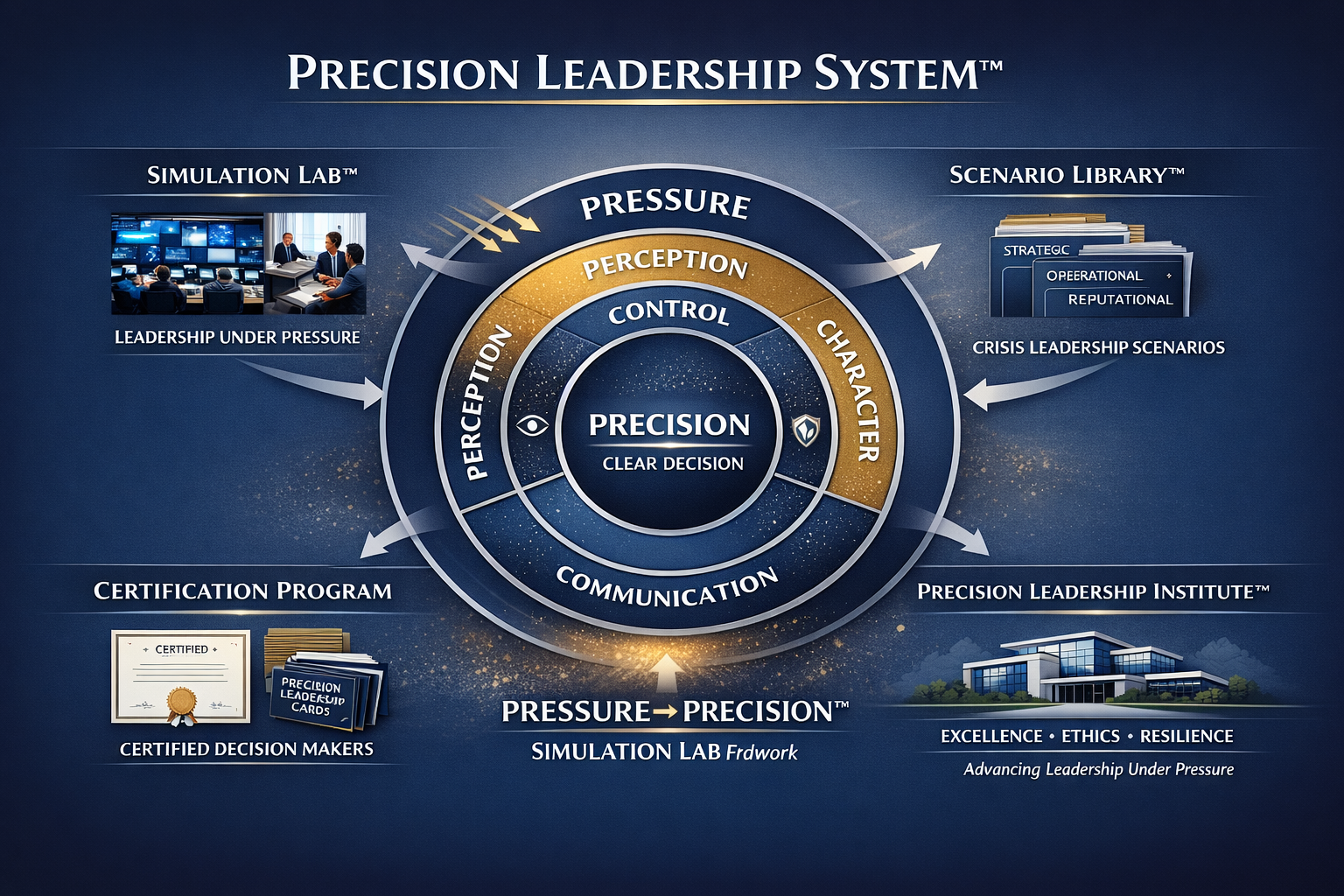
The central Precision Leadership sequence is:
PRESSURE → PERCEPTION → CONTROL → CHARACTER → PRECISION
AI Literacy + Critical Thinking + Character + Human Agency + Decision-Making + Leadership
The ultimate objective is:
Prepare young people not merely to live with increasingly capable artificial intelligence, but to remain thoughtful, responsible, resourceful, and capable human beings while using it.
AI Literacy + Critical Thinking + Character + Human Agency + Decision-Making + Leadership
They should learn:
AI generates candidate answers drawn from distributions that may systematically favor common patterns.
That leads to a powerful educational principle for an AI-literacy curriculum:
Don’t teach students merely how to get better answers from AI. Teach them how to prevent AI’s answers from defining the boundaries of their thinking.
For high-school students preparing to enter an AI-intensive world, I would consider that one of the most important AI-literacy competencies we could teach.
Expansion Loops in pipelines
As someone with your background in risk management, you might appreciate this perspective: the expansion loop is a deliberate engineering “stress relief valve.” Instead of trying to eliminate thermal forces—which is impossible—the designers provide a controlled, predictable place for those forces to be safely absorbed. That design philosophy is common across high-reliability systems in pipelines, bridges, aircraft, and power plants.
Sovereign Individual
Connections to Your Precision Leadership Framework
Several ideas align naturally with your work on Precision Leadership:
Self-sovereignty: Effective leaders cultivate disciplined thinking and personal responsibility rather than dependence on external circumstances.
Decision-making under uncertainty: In rapidly changing environments, leaders need principles that remain stable even when conditions shift.
Lifelong learning: Continuous adaptation becomes a competitive advantage.
AI literacy: Understanding and leveraging AI is increasingly central to leadership effectiveness.
Character as a differentiator: As technical capabilities become more widely available, judgment, integrity, and trust become increasingly valuable.
These themes complement your emphasis on helping leaders maintain clarity, character, and precision under pressure.
Your ability to digest and transfer complex knowledge, even at work. Knowing how to break down a problem from scratch. Building trust. Doing what you said you would do, on time. If you invest 80% of your learning effort into these invariant skills, you will never become obsolete.
From Biological War: a scenario – lessons similar to to Precision Leadership.
Leadership Lessons
The book is fundamentally about leadership under extreme uncertainty.
Effective leaders should:
Make decisions despite incomplete information.
Communicate honestly.
Maintain public trust.
Coordinate across agencies.
Balance liberty with public safety.
Think in systems rather than isolated events.
Prepare before crises occur.
Homer — The Odyssey — Every journey is also a reckoning with who you’ve become along the way.
Leadership Lessons
For leaders, We highlights enduring principles:
Efficiency should not eclipse human dignity.
Transparency is essential, but so are privacy and personal freedom.
Data should inform decisions, not replace judgment.
Encourage questioning rather than blind compliance.
Preserve creativity and dissent as sources of resilience.
Design systems that augment human capabilities instead of diminishing them.
⸻
Relevance to Precision Leadership
Your Precision Leadership framework aligns well with several lessons from We:
Pressure: Crises can tempt leaders to centralize control in the name of efficiency.
Perception: Data and AI outputs are valuable, but leaders must recognize their limitations and potential biases.
Character: Ethical principles should constrain how technology is used, especially when it affects people’s rights and opportunities.
Precision: Effective leaders integrate analytical tools with human judgment rather than treating algorithmic recommendations as infallible.
The World Economic Forum consistently ranks resilience, flexibility, agility, and self-awareness among the most important future workforce skills.
 Musings
 No Comments