Musings
 No Comments
Self Control – Mental Exercises
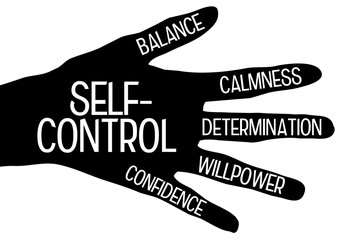
Most people think self-control is tested only during major moments. They imagine resisting a serious temptation, making an important decision, or facing a situation that demands extraordinary willpower. But much of your self-control is shaped by smaller moments that happen throughout an ordinary day.
It is tested when you want to interrupt someone, reach for your phone during a task, spend money on something unnecessary, or abandon a responsibility because you have lost interest. These moments may seem insignificant, but they give you opportunities to practise directing your own behavior.
Here are five mental exercises worth trying.
1. Practise the ten-second pause.
The next time you feel an immediate urge to react, wait ten seconds before doing anything. This is especially useful when you are irritated, tempted to make an unnecessary purchase, or about to say something out of frustration. During those few seconds, ask yourself what you actually want to achieve. You may still decide to act, but the decision will be less automatic.
2. Delay one unnecessary pleasure.
Choose something you regularly do for immediate satisfaction, such as checking social media, watching another video, or buying a small treat. When the urge appears, postpone it for fifteen minutes. You are not permanently denying yourself enjoyment. You are practising the ability to experience a desire without immediately satisfying it.
3. Finish one task before switching to another.
When a task becomes boring, your mind may start searching for something more interesting. Instead of following that impulse, stay with the original task for another ten minutes. Complete a small section before moving on. This exercise teaches you to tolerate the ordinary discomfort of sustained effort rather than constantly seeking a change of stimulation.
4. Challenge your first explanation.
When you catch yourself thinking, “I cannot do this today,” ask whether that is actually true. Are you physically unable to do it, or would you simply prefer not to? Is the situation genuinely impossible, or are you uncomfortable with the effort involved? This exercise helps you distinguish real limitations from convenient reasons to avoid responsibility.
5. Rehearse a better response.
Think of a situation in which you often lose control. Perhaps you become defensive when criticized, spend impulsively when stressed, or abandon your plans when something goes wrong. Imagine that situation occurring again and consider how you would prefer to respond. Be specific. Picture yourself pausing, choosing your words, or taking a different action. When a similar situation happens, you will have already considered an alternative response.
These exercises are not meant to turn you into someone who constantly monitors every thought and action. You should still enjoy your life, relax, and allow yourself occasional mistakes. The purpose is to become less dependent on immediate feelings when making decisions that matter.
“Self-control grows each time you prove to yourself that wanting something and choosing it are two different things.”
Choose one exercise and practise it consistently before adding another. Pay attention to the moments when you would normally react automatically. Those are the moments when you have the greatest opportunity to develop a different response.
Eventually, you begin to notice a change. You pause more often, follow through more reliably, and become less easily pulled away from your intentions. That is how self-control develops: not through one extraordinary act of willpower, but through repeated practice in ordinary life.