Nov 25, 2026 -  Musings
 No Comments
Musings No Comments 15 Secrets Successful People Know About Time Management
By Kevin Kruse · 2015
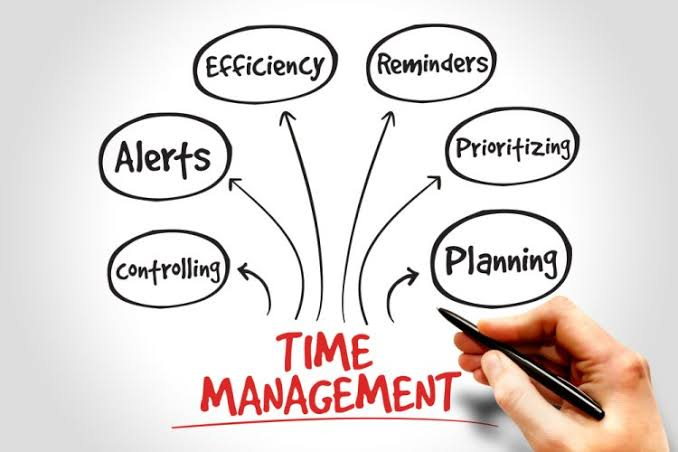
The central idea: Decide what deserves your time, put it on your calendar, and protect the energy and attention you need to follow through. Drawing on interviews and contributions from entrepreneurs, Olympic athletes, high-performing students, and others, Kruse turns that idea into fifteen practical habits. His advice covers work and study, as well as making deliberate time for health, relationships, and interests outside work. AUC Library
1. Decide what matters and give it time
- Think in minutes. A day contains 1,440 minutes. Kruse uses that number to make time feel concrete. A few minutes of interruption or delay may seem insignificant, but repeated throughout the week they can crowd out work you care about. Thinking in minutes also helps you see that a short block can be enough to make progress on a meaningful task. kevinkruse.com
- Choose your Most Important Task. Ask which task would make the greatest difference to a goal you care about. Kruse calls it your MIT and recommends working on it early, before messages and routine demands take over. Make it specific enough to start. “Draft the first two pages” gives you a clearer assignment than “work on the book.” kevinkruse.com
- Turn tasks into calendar appointments. A to-do list records what you intend to do. A calendar block commits a portion of your day to doing it. Assign an actual start time and a realistic duration to important work. When another commitment comes up, you can see what would have to move and decide whether the trade is worthwhile. kevinkruse.com
- Anticipate what your future self will do. Kruse calls this approach to procrastination “time travel.” Imagine the excuses or obstacles you are likely to encounter later, then change the conditions now. If you tend to spend the first twenty minutes of a study session figuring out where to begin, leave the relevant material open and write down the first question you’ll answer. kevinkruse.com
- Decide when the workday will end. There will almost always be something else you could do. Choose a stopping point and reserve time for commitments such as dinner with family, exercise, or rest. A clear finish also forces an earlier decision about which work deserves your attention today and which can wait. kevinkruse.com
2. Protect your attention and reduce low-value work
- Keep a notebook. Kruse points to Richard Branson’s habit of writing things down. Capture ideas, commitments, questions, and observations as they occur so you can return your attention to the task at hand. When you review your notes, put anything that requires substantial action on the calendar. kevinkruse.com
- Process email at scheduled times. Kruse suggests three planned email sessions a day. The practical idea is to give email its own time so it stops interrupting everything else. During a session, decide what each message needs: a reply, a handoff, a scheduled action, or archiving. The number of sessions can fit the response demands of your role. kevinkruse.com
- Make meetings earn their place. Before scheduling a meeting, ask what the group needs to accomplish and whether a conversation is required. A written update may be enough to share information. If people need to make a decision together, define the outcome, invite the people who can contribute, and keep the meeting short enough to stay focused. kevinkruse.com
- Say no with your priorities in mind. Every commitment takes time you could use elsewhere. Before agreeing, ask yourself what you would have to move, shorten, or give up. That makes the cost of saying yes visible, especially when the request seems small or is scheduled far enough ahead that your calendar looks empty. kevinkruse.com
- Look for the few activities that produce most of the results. The Pareto principle, commonly called the 80/20 rule, asks you to look for an uneven relationship between effort and results. For example, a few coaching activities may account for most of a client’s progress. The ratio is a rule of thumb. What matters is identifying those activities and giving them more of your attention. kevinkruse.com
- Drop, delegate, or redesign recurring work. Review the tasks that consume your week and ask three questions. What would happen if I stopped doing this? Who else could handle it? How could I get the same result with a simpler process? The answers help you reserve your time for work that benefits from your judgment or skills. cdn.leadx.org
3. Build routines that make follow-through easier
- Give parts of your week a theme. Group similar work into predictable blocks or days. You might reserve one afternoon for coaching conversations and another for course development. Grouping related tasks reduces the number of times you have to switch gears and makes it easier to see where a new commitment fits. kevinkruse.com
- Handle small tasks once when practical. When you’re already processing messages or paperwork, complete a quick item while it’s in front of you. For something that needs more time, make a decision about the next action and schedule it. This keeps the same item from consuming attention each time you come across it. Apply this habit during planned processing time so small tasks leave your priority block intact. kevinkruse.com
- Start the day with a consistent routine. Kruse recommends giving the early part of the day to practices that help you feel alert, grounded, and ready to work. His examples include exercise, journaling, meditation, and hydration. The routine gives you a chance to set your direction before you begin responding to other people’s demands. kevinkruse.com
- Manage energy as well as time. An hour when you are alert can be especially valuable for writing, learning, or making a difficult decision. Kruse emphasizes sleep, nutrition, exercise, and short breaks during the day. He also recommends alternating periods of concentrated effort with recovery so you can sustain attention across the day. kevinkruse.com
How Kruse puts the habits together
Kruse condenses the book into E‑3C. cdn.leadx.org
- Energy. Maintain the physical and mental capacity to do good work.
- Capture. Write down ideas and commitments so you can give your full attention to the present task.
- Calendar. Give your priorities a specific place in your day.
- Concentrate. Use that time for the work you planned and handle interruptions at a suitable time.